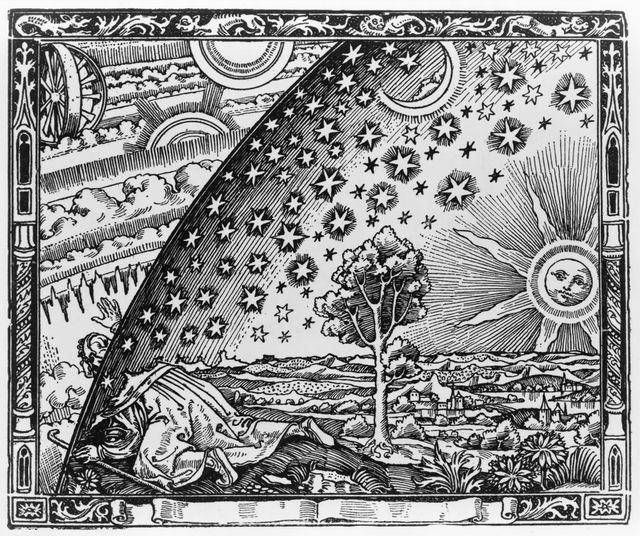
How Do You Know Your Red Is the Same as Mine?
A ten-minute car ride, a twelve-year-old, and the problem of qualia: from Wittgenstein's beetle to Russian blues, a question with no answer, just a clearer one
A newsletter about philosophy, ethics, science, and whatever else demands a second thought. Subscribe for free to read new posts — full archives are for paid members
Subscribe
Thanks! Check your inbox to confirm your subscription.
A ten-minute car ride, a twelve-year-old, and the problem of qualia: from Wittgenstein's beetle to Russian blues, a question with no answer, just a clearer one
Anthropic now marks everything Claude writes. But a positive match tells you a machine was involved, not what it did — and the harder question was never authorship. It's when to believe an answer, from a model or from anyone else.
Film festivals were invented as propaganda, not out of love for cinema. Ehsan Khoshbakht, curator of Locarno's retrospective on the Hollywood blacklist, on how a small lie becomes a spectacle — and why nobody involved was actually paranoid.
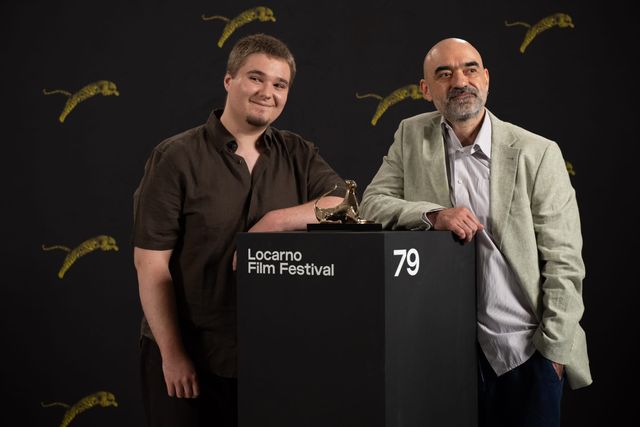
What happens to a man raised on excellence and merit when they stop being enough? Florin Șerban's film won the Golden Leopard at Locarno with a story about a father, a son, and a murder nobody wants to call one. We talked about tragedy without gods, and about what our times lack.
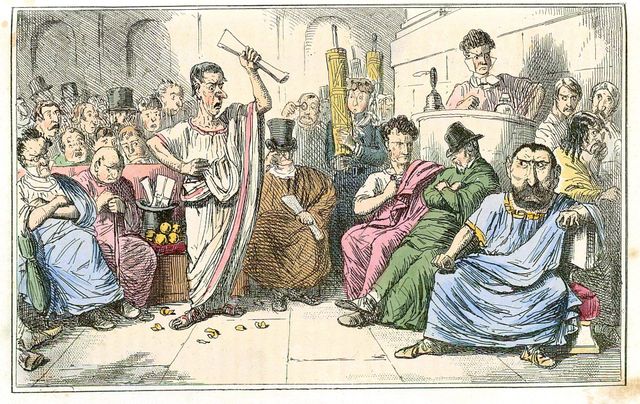
A review of Massimo Pigliucci's How to Be a (Happy) Skeptic: an excellent introduction to Cicero and skeptical Stoicism, with some pushback on where 'human nature' falls short as an ethical foundation.
Technolibertarians want to plug cords into your brain. Christian nationalists want to build a kingdom for Christ. They don't match — and yet, as Erik Davis explains, they are fusing. A conversation about gnosticism, Musk, Thiel, Mars, and the fear of dying.
Everyone agrees the heatwave deaths were preventable. The disagreement is over how: air conditioning, greener cities, emergency plans, or cutting emissions. The answer is all of them. The trap is letting the emergency crowd out the work that determines whether future summers are survivable.
Should you pay people to get vaccinated? Can organ markets be ethical? Is there a drug that could make us morally better? Julian Savulescu doesn't ask these questions to provoke. He asks them because he thinks the answers matter — and because most people are too uncomfortable to try.
Leo XIV's encyclical on AI skips the two great distractions — the conscious machine and the apocalypse — and focuses on the slow, unglamorous damage to information, work, and freedom happening right now.
Karin Jordan has spent decades arguing that managing suffering isn't a soft add-on to cancer treatment — it's the whole point. A conversation about war metaphors, invisible medicine, and why "fighting cancer" may be doing patients a disservice.